The journey from 1998 to today.
The story of the Centre for Democracy and Development (CEDED) is deeply interwoven with South Sudan's historic journey toward self-determination, peace, democratic governance, and sustainable development.

Established in 1998, CEDED emerged from a profound institutional conviction: that sustainable peace and national development require an informed, active, and empowered citizenry capable of meaningfully shaping public policy. Over nearly three decades, CEDED has systematically evolved from a localized grassroots resource center into a premier, nationally recognized institution operating at the strategic intersection of conflict transformation, institutional governance, human rights defense, and community resilience.
1998–2010
The Formative Era: From Resource Centre to Civic Consciousness
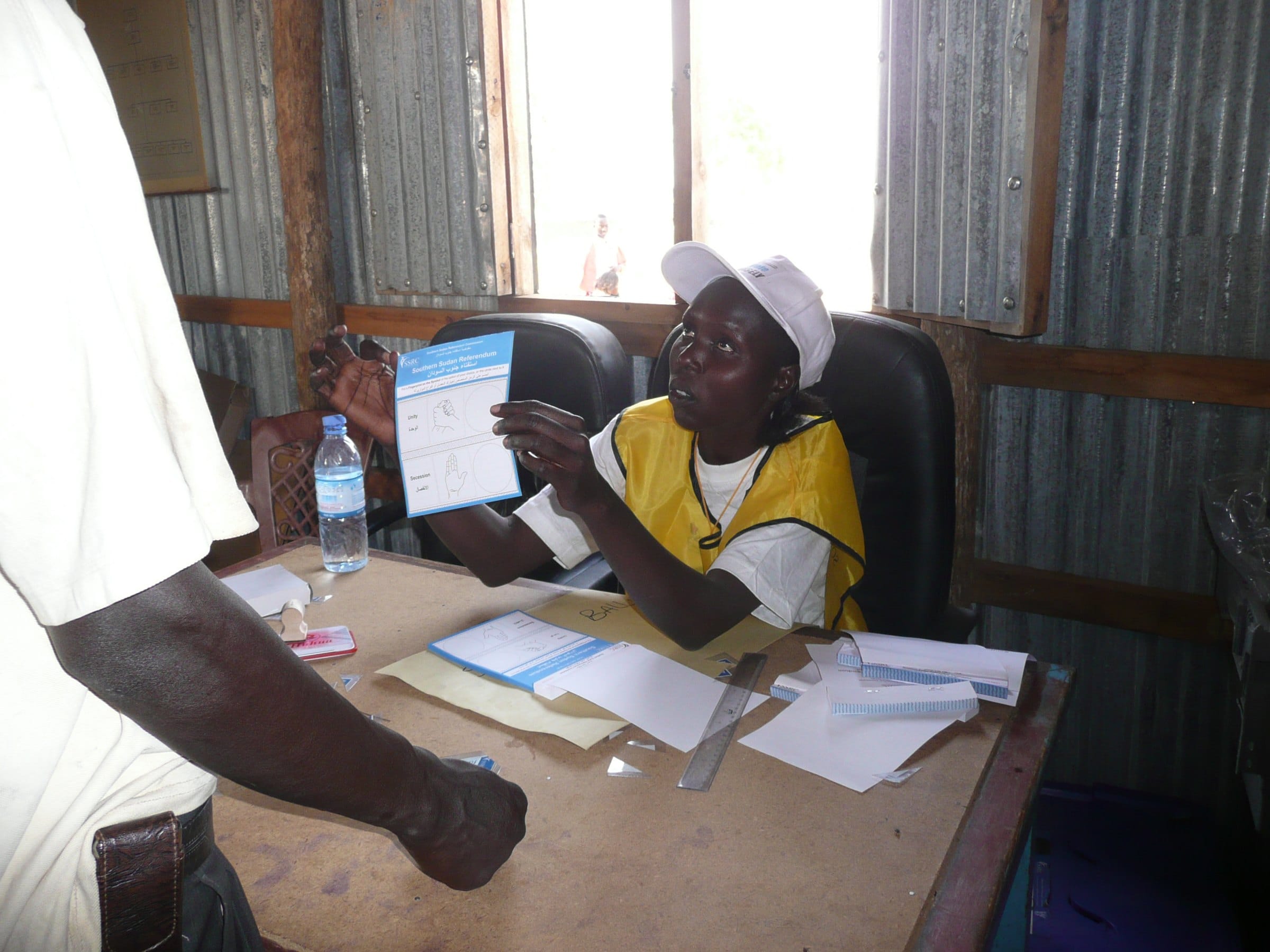
CEDED's journey began on June 12, 1998, during a period of prolonged conflict. It was established in response to an urgent, expressed need by citizens in the then "New Sudan" for information on democracy and good governance. Operating initially as a solitary Community Resource Centre under the New Sudan Education Agency (NSEA), the initiative focused heavily on developing accessible civic education frameworks, helping everyday citizens understand their fundamental rights and structural roles in public decision-making.
In 2008, the center transitioned into an independent entity known as the Yei Community Resource Centre, initially focusing its coverage on Central Equatoria State to cultivate a baseline of civic awareness as a prerequisite for lasting peace. As South Sudan prepared for its historic transition toward self-determination, the organization scaled its methodologies to meet the national moment. Through a comprehensive national civic sensitization campaign in 2010, it mobilized grassroots populations to understand complex electoral processes, demystify polling procedures, and safely exercise their democratic franchise. This foundational era firmly established the organization's reputation as a trusted, highly capable anchor for inclusive civic mobilization.
2012–2016
Post-Independence Transition & Rebranding: Strengthening Sub-National Governance
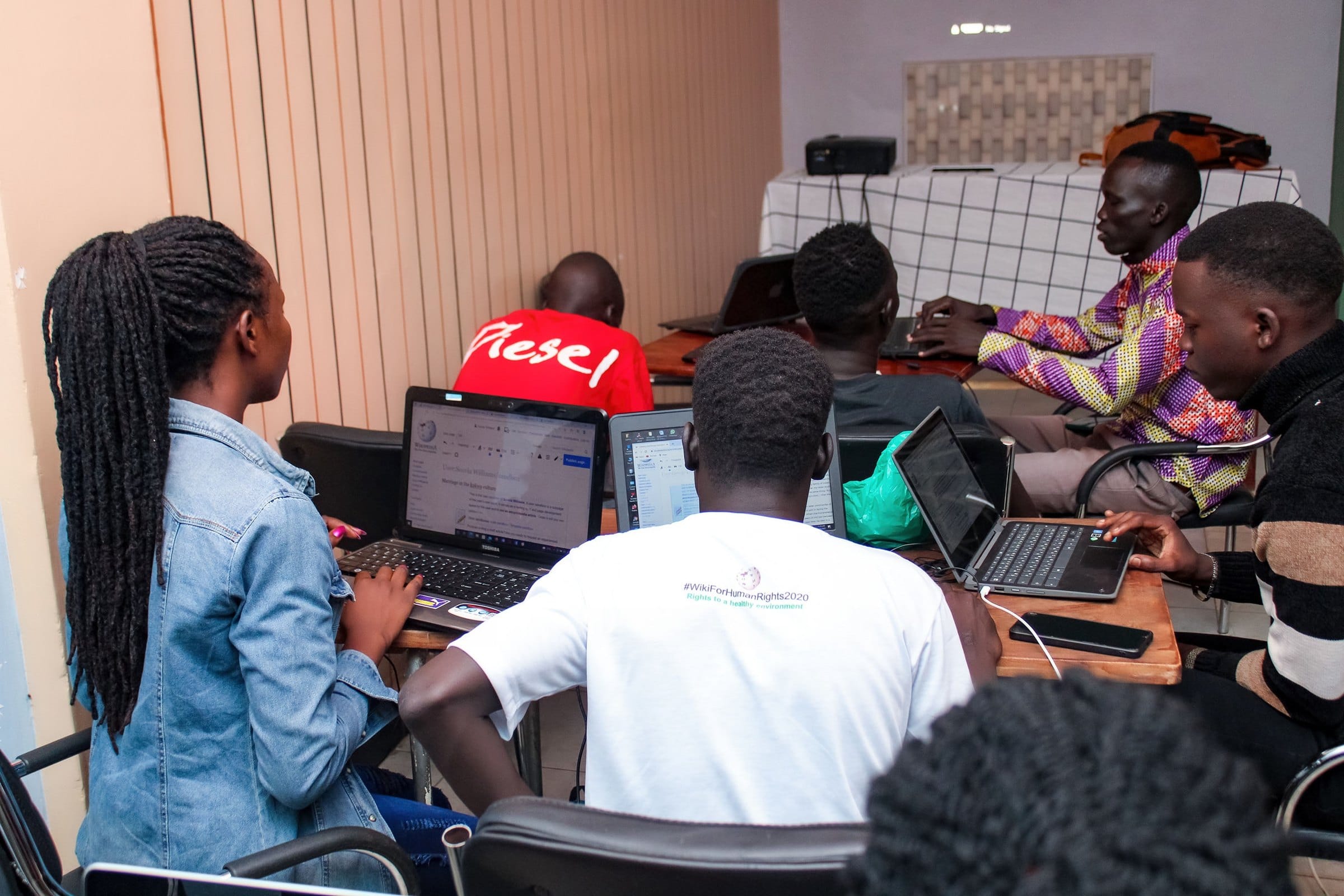
Following South Sudan's independence, the organization recognized that the survival of the new state depended heavily on the integrity of its governance systems and localized access to credible information. On August 16, 2012, the new name Centre for Democracy and Development (CEDED) was formally adopted, marking its progressive development into a national, non-profit civil society organization. CEDED deliberately shifted its strategic focus toward building the structural capacity of nascent local government institutions while opening up collaborative spaces between public duty-bearers and citizens.
Key institutional contributions during this milestone era included:
Legislative Capacity Building: Training County Legislative Councils across the Equatorials on their foundational roles regarding public oversight, legislative draftsmanship, and fiscal accountability.
Decentralized Strategic Planning: Structuring and facilitating long-term Strategic Development Plans for numerous Payam administrative units, directly embedding participatory planning into local government workflows.
Civil Society Coalition Building: Spearheading the formation of the Yei Civil Society Organizations Forum in 2012, providing a permanent secretariat that continues to coordinate collective civic action, protect civic space, and streamline dialogue with local authorities.
2018–2024
Conflict Transformation and Crisis Resilience: Protecting Human Rights and Grassroots Safety
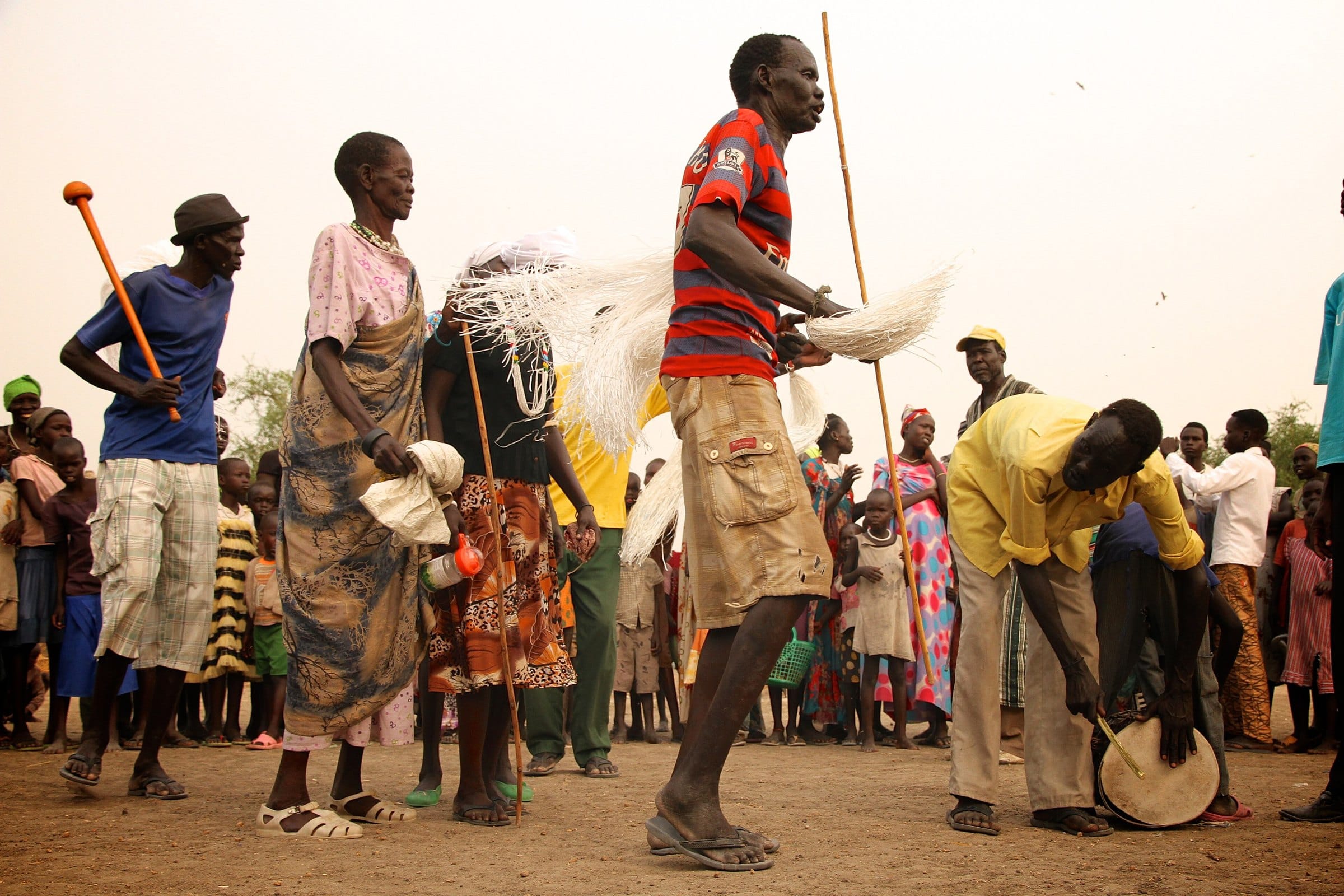
As internal socio-political tensions emerged across the country, CEDED adapted its programs to protect vulnerable populations, mitigate localized conflict, and safeguard human rights. Moving directly into communities to tackle the aftermath of violent conflict, including hate speech, deep-seated distrust, ethnic divisions, and human rights abuses, the organization designed and deployed sophisticated, conflict-sensitive architectures across diverse populations.
During this intense operational period, CEDED achieved systemic impact by:
Grassroots Peace Architectures: Training and deploying hundreds of community-led peace mediators, establishing localized dispute-resolution platforms that successfully restored social cohesion and mitigated inter-communal friction.
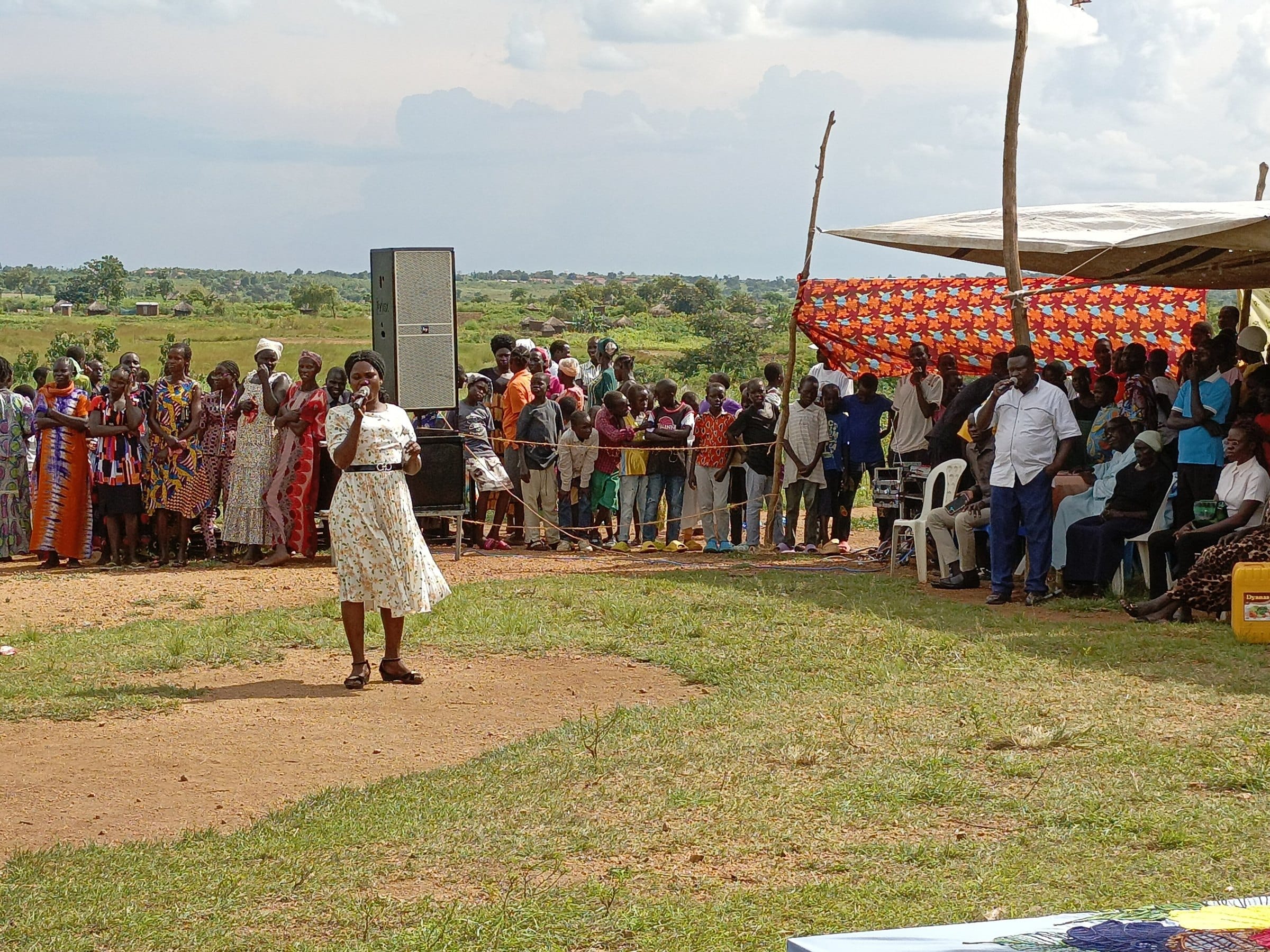
Cross-Border Refugee Response: Extending its protection and mediation frameworks into regional refugee settlements, specifically supporting the psychosocial recovery, legal awareness, and peaceful co-existence of displaced populations in northern Uganda.
Human Rights Defending: Expanding dedicated protection mechanisms and safe environments for Human Rights Defenders (HRDs), equipping them with the tools to safely document, analyze, and report violations in highly restrictive environments.
2025–Present
Systems Accountability and Institutional Impact
Today, CEDED's programmatic approach has matured from localized interventions into highly institutionalized, state-level accountability mechanisms. By actively confronting extreme poverty, citizen exclusion, and institutional capacity gaps, the organization has successfully bridged the gap between community oversight and official state action.
A prime example of this evolution is CEDED's leadership in establishing the institutional Human Rights and Rule of Law Forum in Yei. Chaired by the Public Prosecutor and fed by CEDED's rigorous monthly field advisories, this institutionalized mechanism directly convenes heads of security organs, justice actors, and local government leaders. It legally mandates relevant state structures to investigate and report back on human rights concerns within a 14-day window, driving a historic, documented decline in local rights violations.
Simultaneously, CEDED's collaborative advocacy has reached the highest levels of state government, successfully embedding the comprehensive Women Agenda for Peace into official state policy, thereby structurally securing permanent seats for women, youth representatives, and traditional chiefs within local planning committees.


The Future: From Grassroots Experience to Regional Leadership
After nearly three decades of active field operations, CEDED is deliberately transitioning from a project-delivery non-governmental organization into a permanent, self-sustaining knowledge and leadership institution for South Sudan and the wider East African region. Led by example and executed in deep local partnerships, our strategy ensures we make a tangible difference at the grassroots level.
The establishment of the Institute for Peace, Governance and Leadership (IPGL) represents the ultimate fulfillment of CEDED's journey. IPGL serves as the intellectual engine of the organization, codifying three decades of practical field experience, low-literacy participatory toolkits, and localized conflict-resolution methodologies into formalized, certified professional courses. By driving applied policy research and mentoring the next generation of civil society practitioners, community leaders, and public duty-bearers, CEDED ensures that its legacy of inclusive, democratic empowerment will shape the future of South Sudan for generations to come.