
Strengthening Accountability Mechanisms for Human Rights
Increasing accountability for human rights violations through documentation, protection for Human Rights Defenders and institutional follow-up.

Why it was needed
Where violations go undocumented and unanswered, they repeat. CEDED's field work showed that communities needed a reliable route from a reported concern to an official response, and that the people documenting abuses needed protection to do so safely.
Objectives
- Increase accountability for human rights violations.
- Document human rights concerns systematically and report them to the institutions responsible.
- Protect and equip Human Rights Defenders to work safely.
Achievements and outcomes
- Monthly field advisories that feed the Human Rights and Rule of Law Forum in Yei.
- A mandated 14-day window for state structures to investigate and report back on human rights concerns.
- Documentation training for Human Rights Defenders, including 30 HRDs in Yambio County, Western Equatoria State.
Lessons learned
- Institutional mechanisms with a fixed reporting window turn advocacy into routine follow-up.
- Documentation is only as strong as the safety of the people who carry it out.
More from the portfolio
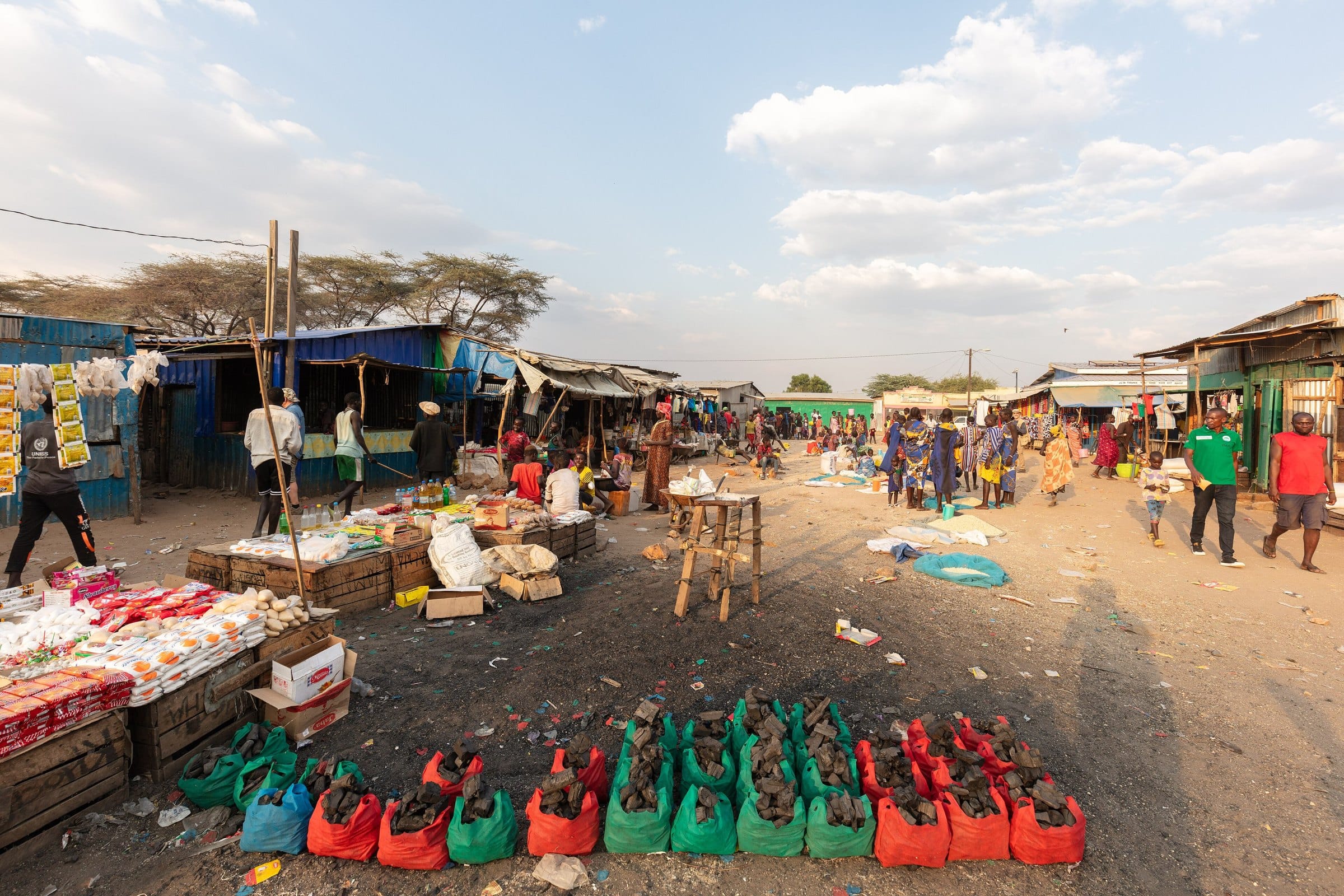
Sustainable Markets and Agribusiness Competitiveness Plus
Peacebuilding, and Gender Equity and Social Inclusion (GESI), integrated into sustainable markets and agribusiness.
Yei, Juba and Terekeka Counties, Central Equatoria State
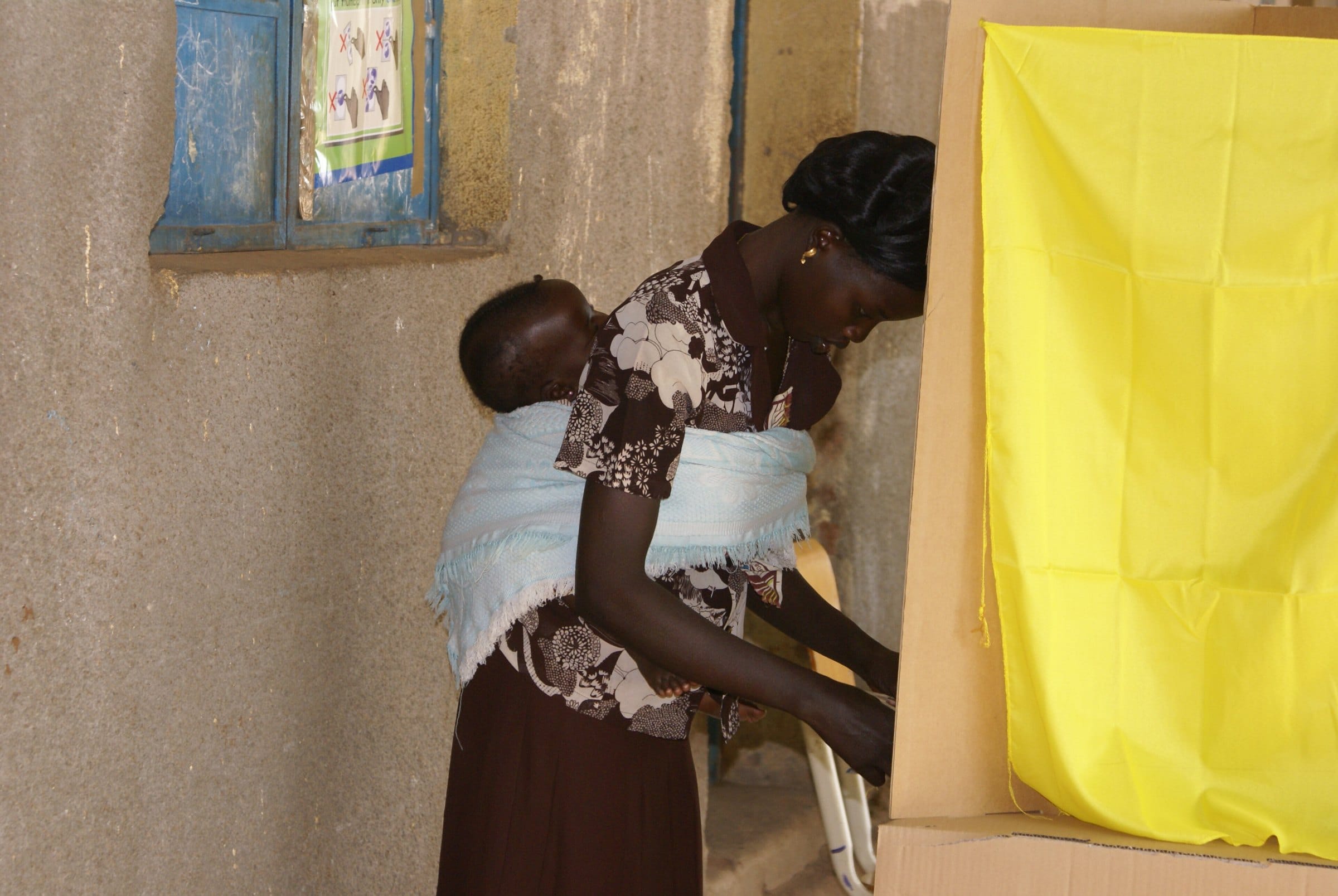
Women for Sustainable Peace
Sub-national women's peace forums, female peace mediators, and cross-border psychosocial support networks.
Western and Central Equatoria States, and cross-border refugee settlements in northern Uganda
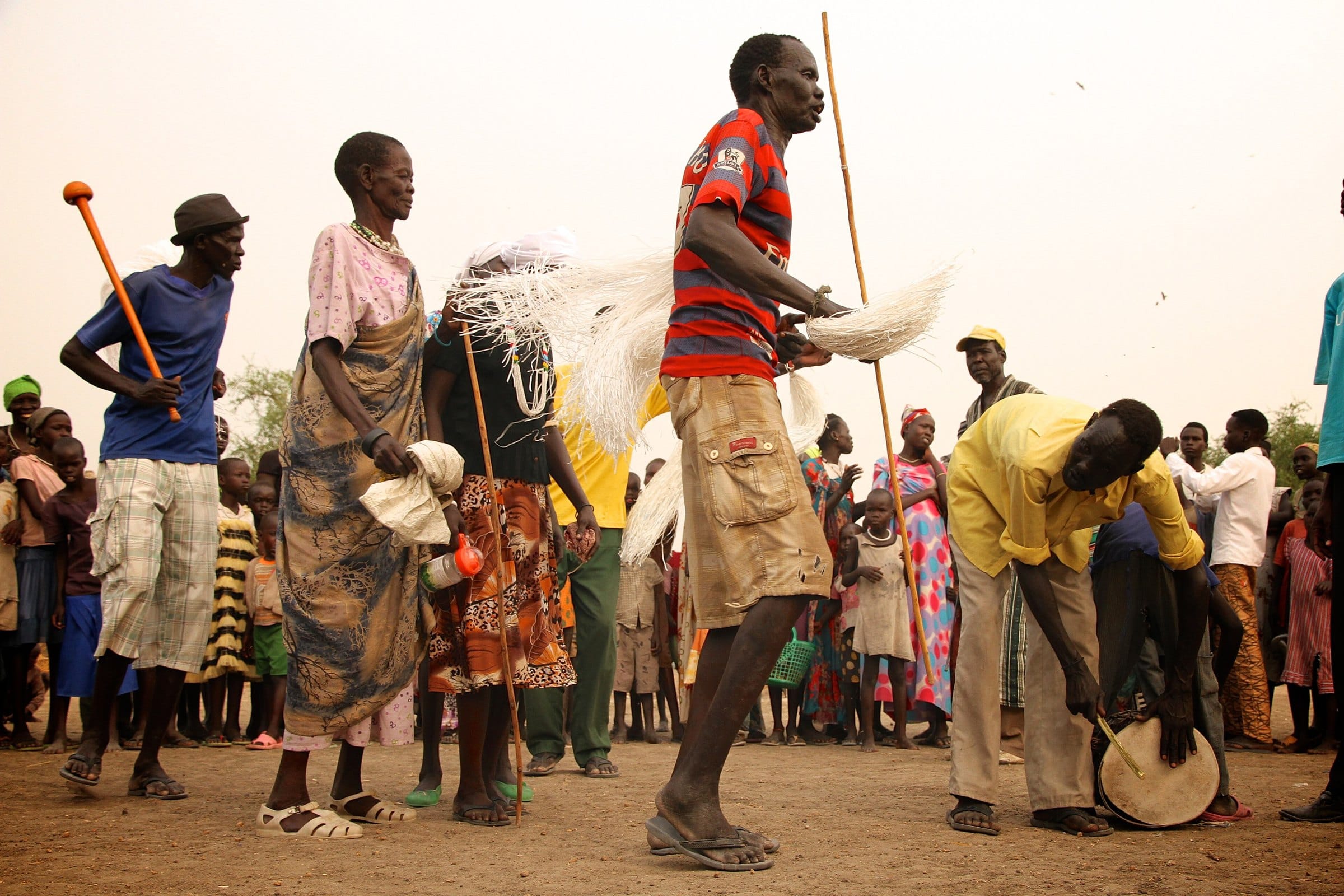
Transformative Justice and Reconciliation Project
Grassroots peace architectures: community-led peace mediators and local dispute-resolution platforms.
Central Equatoria State


