
Transformative Justice and Reconciliation Project
Grassroots peace architectures: community-led peace mediators and local dispute-resolution platforms.

Why it was needed
The aftermath of violent conflict left hate speech, deep-seated distrust and ethnic divisions in communities. TJR-P addressed these directly, through mediation and reconciliation led by the communities themselves.
Objectives
- Train and deploy community-led peace mediators.
- Establish localized dispute-resolution platforms.
- Restore social cohesion and reduce inter-communal friction.
Achievements and outcomes
- Hundreds of community-led peace mediators trained and deployed.
- Localized dispute-resolution platforms established, restoring social cohesion and mitigating inter-communal friction.
Lessons learned
- Mediators chosen and trusted by their own communities resolve disputes that outside actors can't reach.
- Every intervention needs a conflict-sensitive, "Do No Harm" design from the start.
More from the portfolio
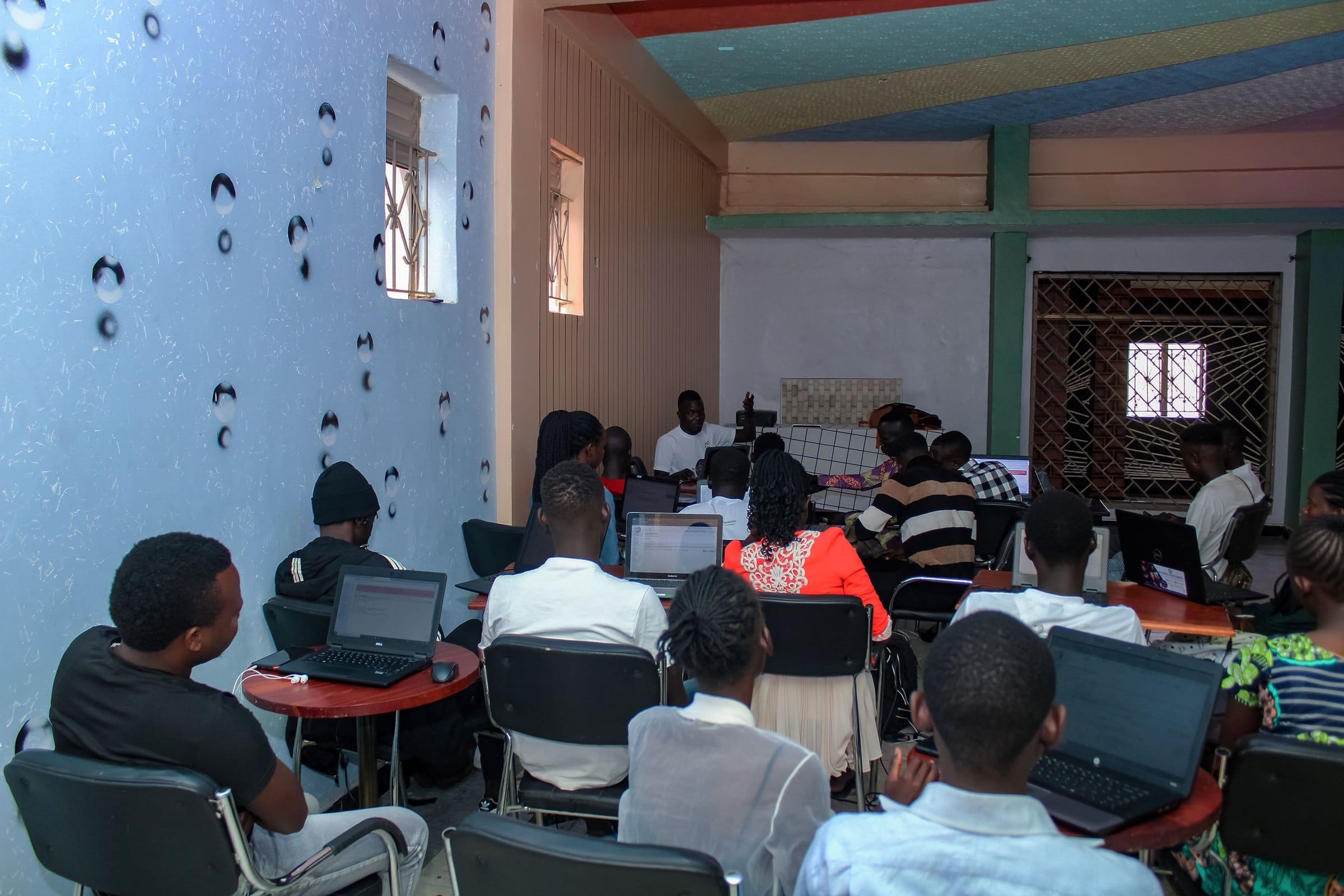
Strengthening Accountability Mechanisms for Human Rights
Increasing accountability for human rights violations through documentation, protection for Human Rights Defenders and institutional follow-up.
Central Equatoria State, centred on Yei
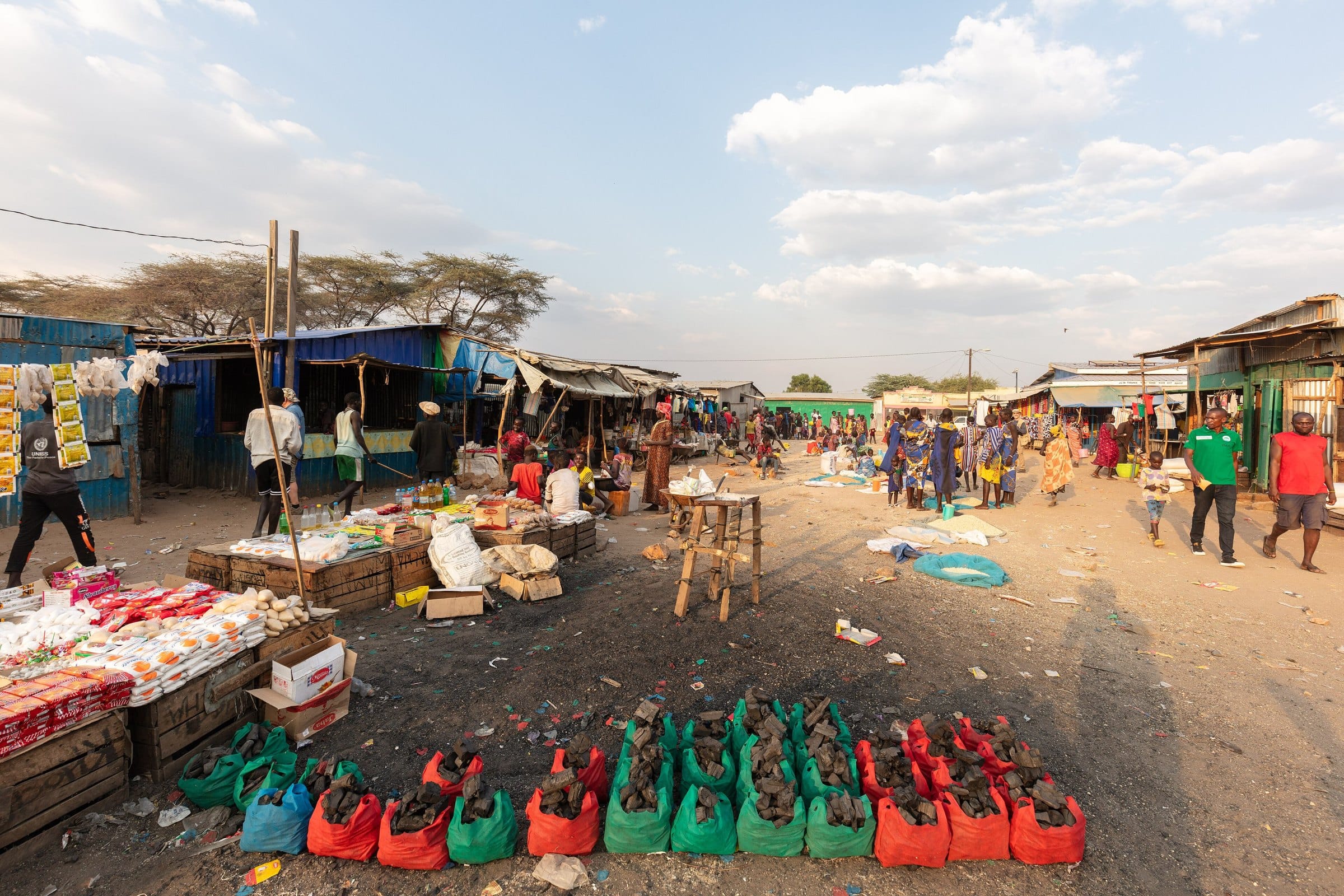
Sustainable Markets and Agribusiness Competitiveness Plus
Peacebuilding, and Gender Equity and Social Inclusion (GESI), integrated into sustainable markets and agribusiness.
Yei, Juba and Terekeka Counties, Central Equatoria State
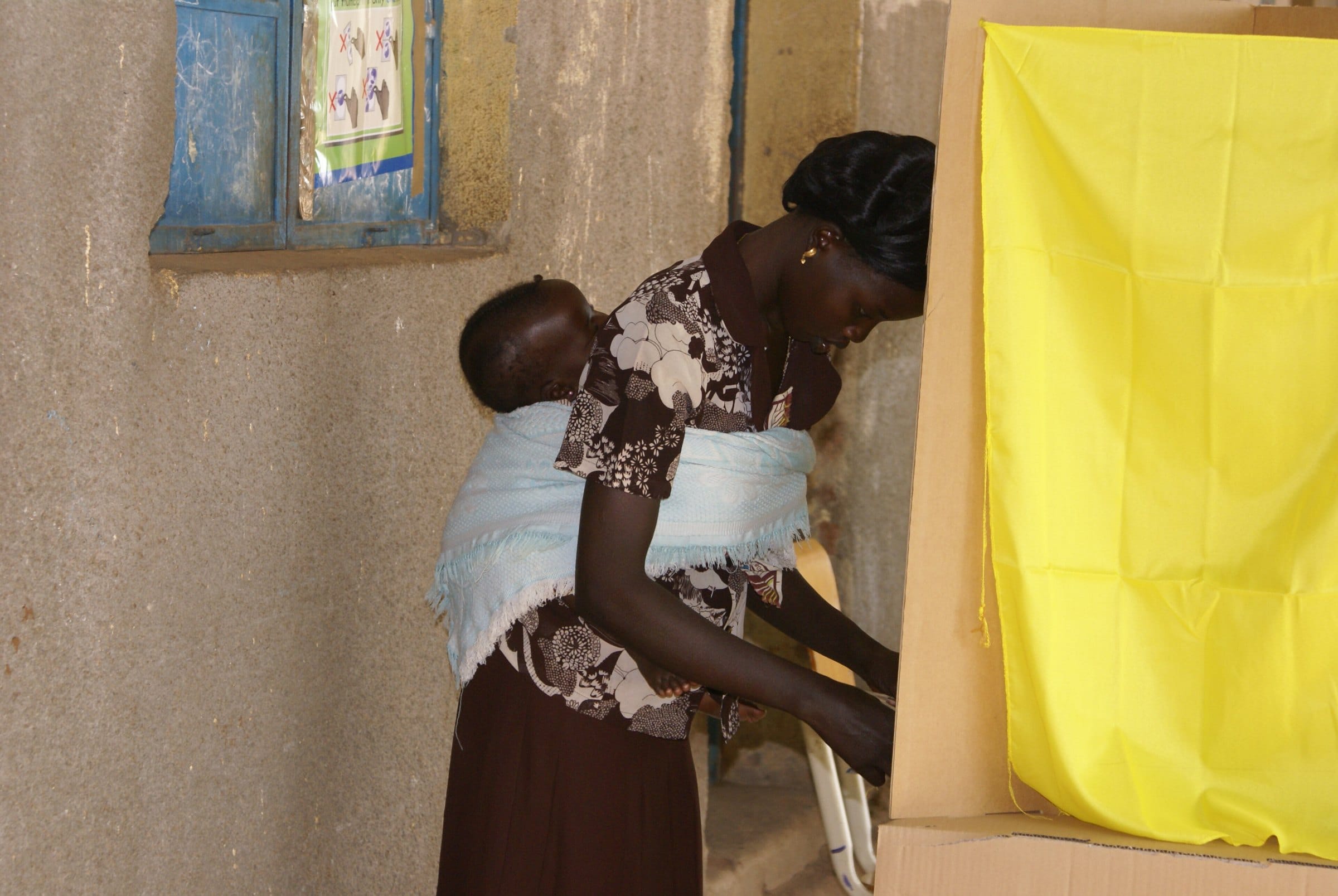
Women for Sustainable Peace
Sub-national women's peace forums, female peace mediators, and cross-border psychosocial support networks.
Western and Central Equatoria States, and cross-border refugee settlements in northern Uganda


